 Otamatone.clubOtamatone.club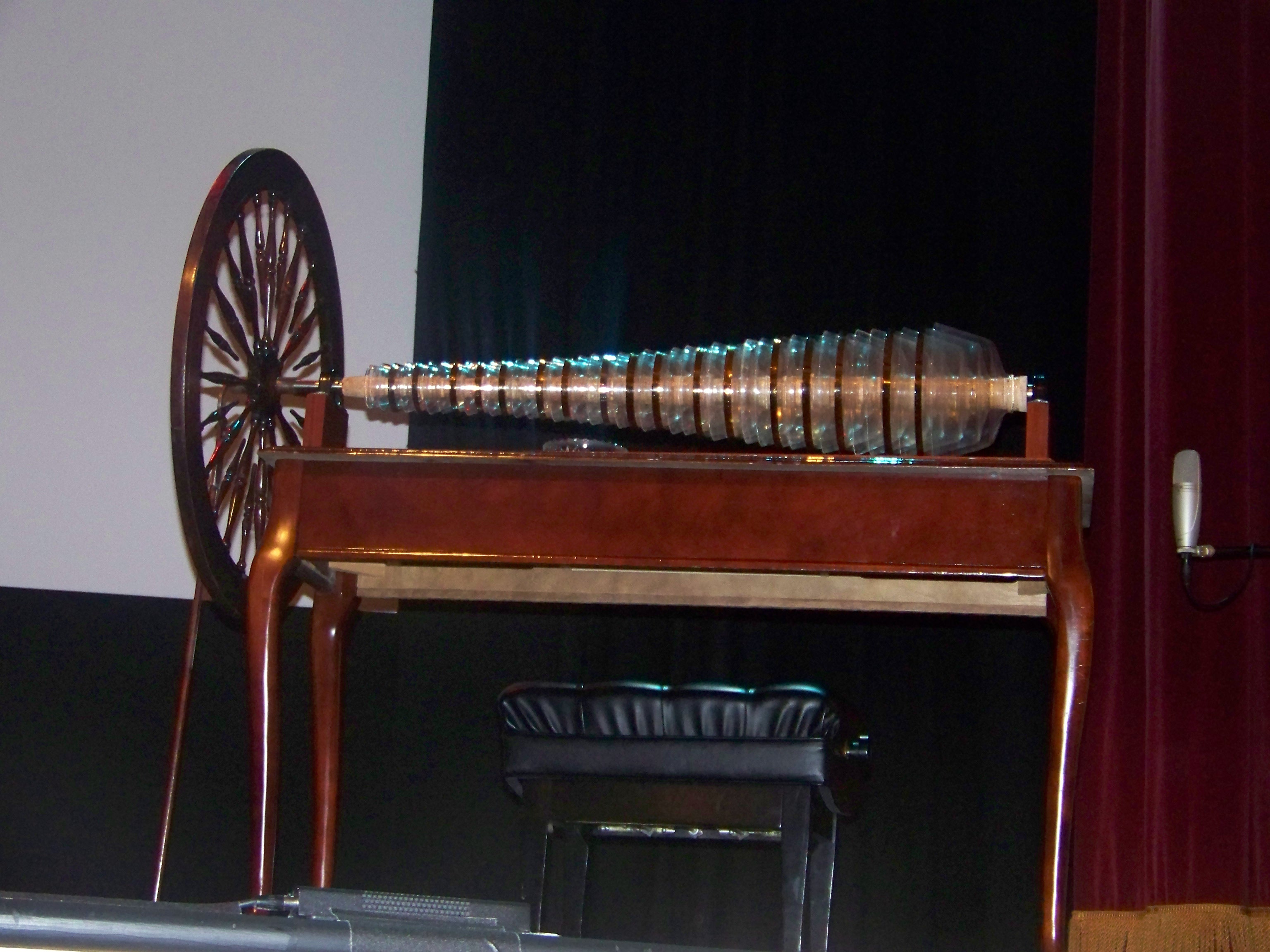
The glass armonica is arguably the strangest, most beautiful and most mysterious instrument in the history of Western music. No other instrument sounds remotely like it: the crystalline, ethereal and almost supernatural tone produced when glass bowls spin beneath a player's damp fingers is instantly recognisable and utterly unrepeatable.
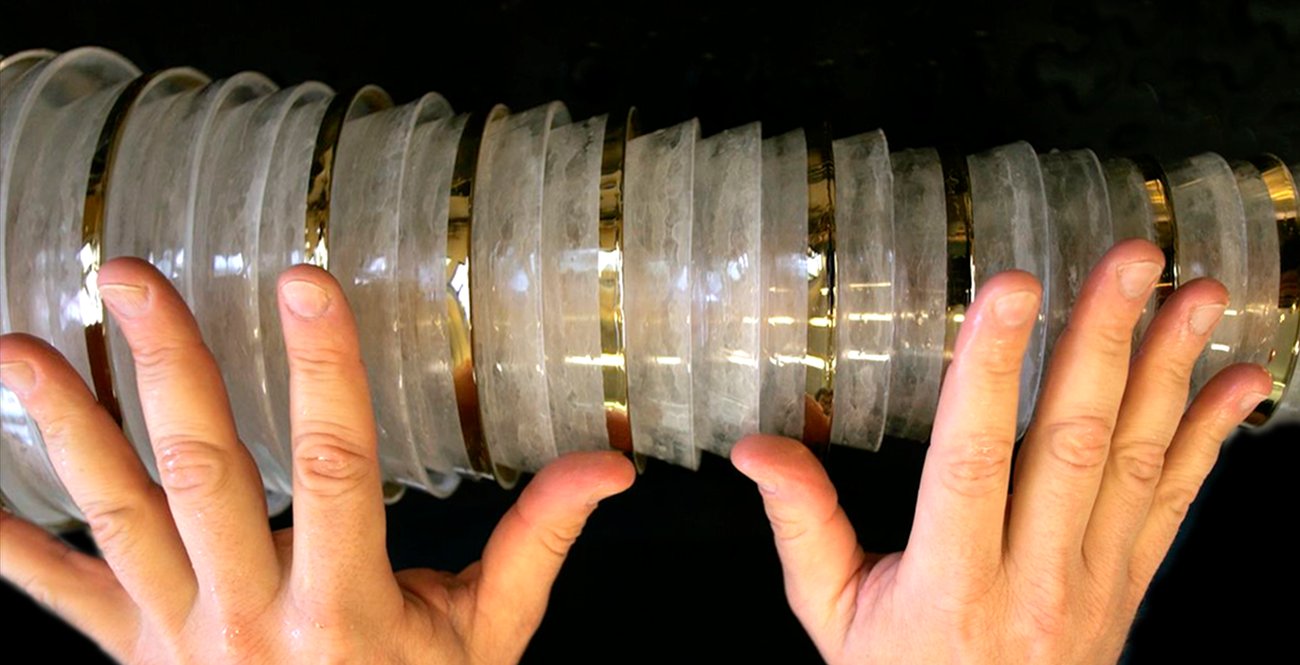
It was invented by Benjamin Franklin in 1761 — the same man who discovered lightning electricity and drafted the American Declaration of Independence. It consists of a series of differently-sized glass bowls threaded horizontally on an iron spindle rotated by a foot pedal. The musician rests lightly moistened fingertips on the rims of the spinning bowls; the friction between glass and skin produces a sustained, pure note of a delicacy that moved Mozart, Beethoven and Donizetti to compose specifically for it.
It was so popular in the 18th century that more than 5,000 instruments were built in Franklin's lifetime. It was later banned in several cities for supposedly causing madness, fell into obscurity for nearly 150 years, and has revived in the 21st century as one of the most coveted instruments among experimental musicians, early music performers and collectors of the extraordinary.
The principle of coaxing music from a crystal glass with a wet finger was well known in Europe long before Franklin. In the mid-18th century it was fashionable in aristocratic salons to watch musicians like the Irishman Richard Pockrich play melodies on rows of wine glasses filled to different levels with water. The drawbacks were obvious: setting up, tuning and playing two or three dozen glasses simultaneously was slow, unstable and logistically impossible on large stages.
In 1761 Benjamin Franklin attended a London demonstration by Edward Delaval playing wine glasses and resolved to "automate and improve" the invention. His solution was elegant: instead of upright water-filled glasses, he designed hemispherical bowls of different sizes, each tuned to a precise note purely by its glass proportions, threaded horizontally on an iron spindle turned by a pedal. The bowls were colour-coded (C in red, D in orange, E in yellow…) and nested inside one another like a chromatic Russian doll.
The result was an instrument that could produce four octaves with all ten fingers at once, required no water adjustment, and maintained pitch stability impossible with wine glasses. Franklin named his invention armonica, from the Italian for "harmonious", and considered it among his proudest achievements. "Of all the things I have invented," he wrote in a letter, "the armonica has given me the greatest personal satisfaction."
The instrument's first professional soloist was the Englishwoman Marianne Davies, who brought it to prominence across Europe from 1762, including tours before the imperial courts of Vienna and Versailles. It was in Vienna that a young Wolfgang Amadeus Mozart heard it and was utterly captivated.
The glass armonica's secret is the same principle that turns a crystal glass into a musical instrument: stick-slip friction. When a damp finger touches the glass rim, it alternates rapidly between gripping and sliding against the surface, causing the glass to vibrate. That vibration travels through the bowl, which acts as a resonator and amplifies the sound.
Franklin's key insight was that the bowls no longer needed water for tuning. Each bowl's pitch depends entirely on its diameter and wall thickness: a large bowl vibrates slowly and sounds low; a small one vibrates quickly and sounds high. The craftsman calibrates the thickness of the glass until exactly the right note emerges — no adding or removing water required.
The rotating spindle solves another fundamental problem: sustain. With a stationary glass, the player must move their finger in circles to keep the vibration going. With the bowl spinning, the glass moves on its own and the player simply holds their finger at the right pressure: too much pressure damps the vibration; too little loses contact. Finding that equilibrium is the central skill of armonica technique.
Modern instruments by Gerhard Finkenbeiner, built since 1982 from lead-free quartz glass, span four complete octaves and produce an even purer, more stable tone than the 18th-century originals.
| Feature | Detail |
|---|---|
| Inventor | Benjamin Franklin, 1761 |
| Original material | Lead crystal (coloured) |
| Modern material | Lead-free quartz glass |
| Range | 4 octaves (professional models) |
| Number of bowls | 37 (Franklin) / up to 50+ (modern) |
| Drive mechanism | Foot pedal → horizontal spindle |
| Playing technique | Moistened fingers on spinning rims |
| Simultaneous notes | Up to 10 (one per finger) |
| Hornbostel-Sachs classification | Friction idiophone |
| Professional instrument price | €8,000 – €20,000 |
| Main current maker | G. Finkenbeiner Inc. (USA) |
The glass armonica enjoyed the rare privilege of attracting the three greatest composers of its era. Mozart composed two chamber pieces for it, considered among his most intimate works: the Adagio and Rondo K.617 for glass armonica, flute, oboe, viola and cello (1791), and the Adagio for Glass Armonica K.356 (1791). Both were written for Marianne Kirchgessner, a blind virtuoso who was the most celebrated performer of her time.
Beethoven composed his Melodrama for Glass Armonica in A minor (1815), a brief piece of extraordinary delicacy. Donizetti included it in the mad scene of Lucia di Lammermoor (1835) — not by chance: the instrument of delirium and mental fragility was the glass armonica. Many 20th-century productions replaced it with flute or theremin, but since the 1980s the most historically faithful stagings have restored the original instrument.
In the 20th century, Tom Waits used it on Swordfishtrombones (1983), and John Cage and other experimental composers explored its extreme sonic possibilities.
In the early 19th century, disturbing reports accumulated. Musicians who played the glass armonica for hours complained of dizziness, muscle spasms, extreme nervousness and depression. Some were forced to abandon the instrument. Medical advisories labelled it a cause of "nervous irritation and madness". Several German cities went so far as to ban it in public.
The true medical explanation came much later: 18th-century bowls were made from lead crystal. Playing for hours with damp fingers in direct skin contact with that glass meant absorbing lead through the skin, producing precisely the described symptoms: lead poisoning (plumbism). The musicians were being poisoned, not driven mad.
Benjamin Franklin, who played the instrument until the end of his life without suffering those symptoms, almost certainly practised far less than professional musicians who rehearsed several hours daily. With modern lead-free quartz glass the instrument is completely safe.
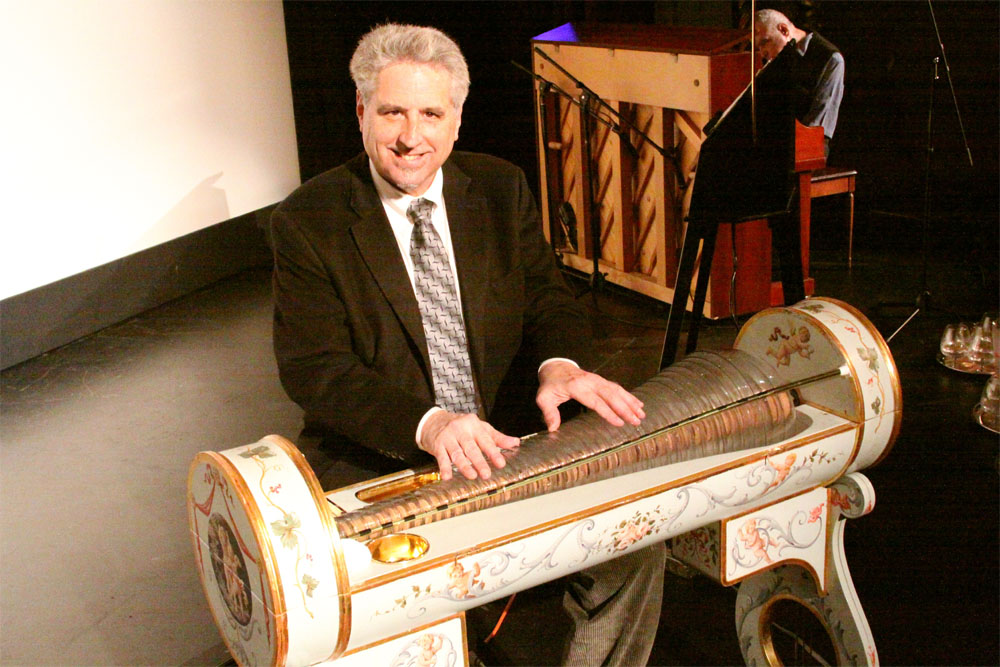
Dennis James, one of the world's foremost performers, demonstrates the full technique: activating the pedal, moistening the fingers and finding the precise pressure on the spinning bowls that produces that ethereal, unmistakable sound.
The glass armonica is technically demanding, but its learning curve follows clear logic. Here are the essential steps:
The biggest challenge for beginners is keeping finger moisture constant and pedal speed uniform at the same time, with your hands occupied and your foot functioning entirely independently. That coordination takes weeks to automate, but once acquired, progress is rapid.
| Glass Armonica | Glass Harp | Theremin | Waterphone | |
|---|---|---|---|---|
| Played by | Wet fingers on spinning bowls | Wet fingers on fixed glasses | Hands in the air, no contact | Bow on rods + water |
| Sound character | Crystalline, ethereal, haunting | Crystalline, drier | Ethereal, electronic | Terrifying, sliding |
| Chords | Yes (multiple fingers) | Limited (separate glasses) | No (one note) | No |
| Difficulty | High | Medium | Very high | Low (basic) |
| Price | €8,000 – €20,000 | €50 – €500 | €100 – €400 | €100 – €700 |
| Availability | Very scarce | Easy | Easy | Medium |
If you are drawn to the crystal sound but a professional armonica is out of reach, the glass harp (wine glasses or individual crystal glasses) uses exactly the same acoustic principle at an accessible price. For other ethereal tones, compare also the theremin and the waterphone.
Given the extreme rarity of the instrument, very few musicians have mastered it. These are the key figures:
A professional G. Finkenbeiner glass armonica costs between €8,000 and €20,000 and is ordered directly from the maker. For most people the practical alternative is a set of musical crystal glasses or tuned glass bells, which reproduce the same acoustic principle at an accessible price and allow you to explore the rubbed-glass sound.
Browse musical crystal glasses on Amazon →
If you want purely the crystal timbre for music production, there are VST sound libraries that reproduce the glass armonica from real instrument samples, available immediately at very reasonable prices.
The glass armonica is a musical instrument invented by Benjamin Franklin in 1761. It consists of differently-sized glass bowls threaded on a spinning horizontal spindle. The player touches the spinning rims with lightly moistened fingers to produce a crystalline, ethereal tone unlike any other instrument.
Mozart encountered the glass armonica through Marianne Davies and was immediately captivated by its ability to produce atmospheres impossible on any other instrument. He wrote two chamber works for it: the Adagio and Rondo K.617 and the Adagio K.356.
Historical glass armonica bowls were made with lead crystal. Hours of play with damp fingers in direct contact caused lead absorption through the skin, producing the dizziness, spasms and depression attributed to the instrument. Modern quartz-glass instruments are completely safe.
Press the foot pedal to spin the bowls, moisten your fingertips, and rest them gently on the spinning rims. Sustained contact produces a sustained note; pressing multiple fingers on different bowls produces chords.
A professional glass armonica costs €8,000–€20,000. For those wanting the sound affordably, musical wine or crystal glasses — using exactly the same principle — start at a few euros.
Fewer than a hundred musicians worldwide play it regularly. The most prominent are Dennis James, Thomas Bloch and William Zeitler.
The glass harp uses stationary wine glasses rubbed one at a time. The glass armonica places the bowls on a rotating spindle, enabling chords and multiple simultaneous notes without repositioning the hands.
Under normal conditions, no. In theory a very intense sustained note at the exact resonant frequency of a nearby glass object could crack it — the same principle as an opera singer's voice — but this does not occur in practice during concerts.
Tom Waits used it on Swordfishtrombones (1983). Thomas Bloch has featured it with Gorillaz and Radiohead. Donizetti originally scored it for Lucia di Lammermoor, and productions since the 1980s have increasingly restored the original instrument.
If the glass armonica's ethereal sound has captivated you, these instruments share its mysterious and experimental character: