
Which Rare Instrument to Buy? Kalimba vs Handpan vs Otamatone vs Theremin
A side-by-side comparison by budget, difficulty and sound type, to help you pick your first curious instrument without buyer's remorse.
Why compare these four instruments
Kalimba, handpan, otamatone and theremin are, by far, the four most-searched "rare" instruments for anyone who wants to start making music outside the mainstream. All four share one thing: you don't need to read music to get something out of them on day one. But they differ hugely in price, portability, real difficulty and the type of sound they produce, so "the best one" depends entirely on what you're after.
This guide puts the four head-to-head so you can choose with reason instead of by social-media trend, and links back to the full guide to rare musical instruments if you want to keep exploring afterwards.
Comparison table: price, difficulty and sound
| Instrument | Approx. price | Difficulty | Portability | Sound type |
|---|---|---|---|---|
| Otamatone | $20-85 | ★ Very easy | High | Fun, playful, comic glissando |
| Kalimba | $15-50 | ★ Very easy | High | Sweet, relaxing, music-box-like |
| Handpan | $300-1,500 | ★★★ Medium | Low (7-11 lb) | Meditative, immersive, melodic percussion |
| Theremin | $60-800 | ★★★★ High | Medium | Electronic, futuristic, cinematic |
Approximate prices, August 2026. They can vary by model and availability.
Choose by your budget
Under $50
Kalimba or a classic otamatone. With this budget you get access to the two most fun instruments with the shortest learning curve on this list — the best entry point if you've never played anything.
$50-300
Otamatone Deluxe or Techno, or an entry-level theremin (kits or budget clones like the Theremini). In this range you start noticing real improvements in materials, note range and sound options.
Over $300
Handmade handpan or a professional theremin (like a Moog Etherwave). These are the serious investments on the list, meant for anyone who already knows they want to commit to the instrument long-term.
Choose by your patience and ear for music
- Zero musical ear, want to play something today: otamatone or kalimba. Both sound "good" from the first minute, with or without tab sheets.
- Some patience, drawn to the meditative: handpan. It doesn't require music theory (each model comes tuned to a scale that always sounds good), but perfecting the striking technique takes weeks.
- Want a real challenge and have a good ear: theremin. It's the only one of the four with no keys, frets or tactile references at all — pitch depends entirely on where you hold your hands in the air.
Choose by the sound you're after
- Sweet and relaxing: kalimba — perfect for ambient music, ASMR, or just unwinding.
- Fun and viral: otamatone — the king of TikTok and Instagram, with its unmistakable singing face.
- Immersive and meditative: handpan — a staple in sound-bath sessions, yoga and street busking.
- Futuristic and cinematic: theremin — the "sci-fi sound" heard on movie soundtracks since the 1940s.
Quick profile of each instrument
Otamatone
A Japanese instrument shaped like a musical note: you slide your finger along the neck to change pitch and squeeze the "mouth" for vibrato. Zero learning curve, ideal as a gift or for making videos.
Kalimba
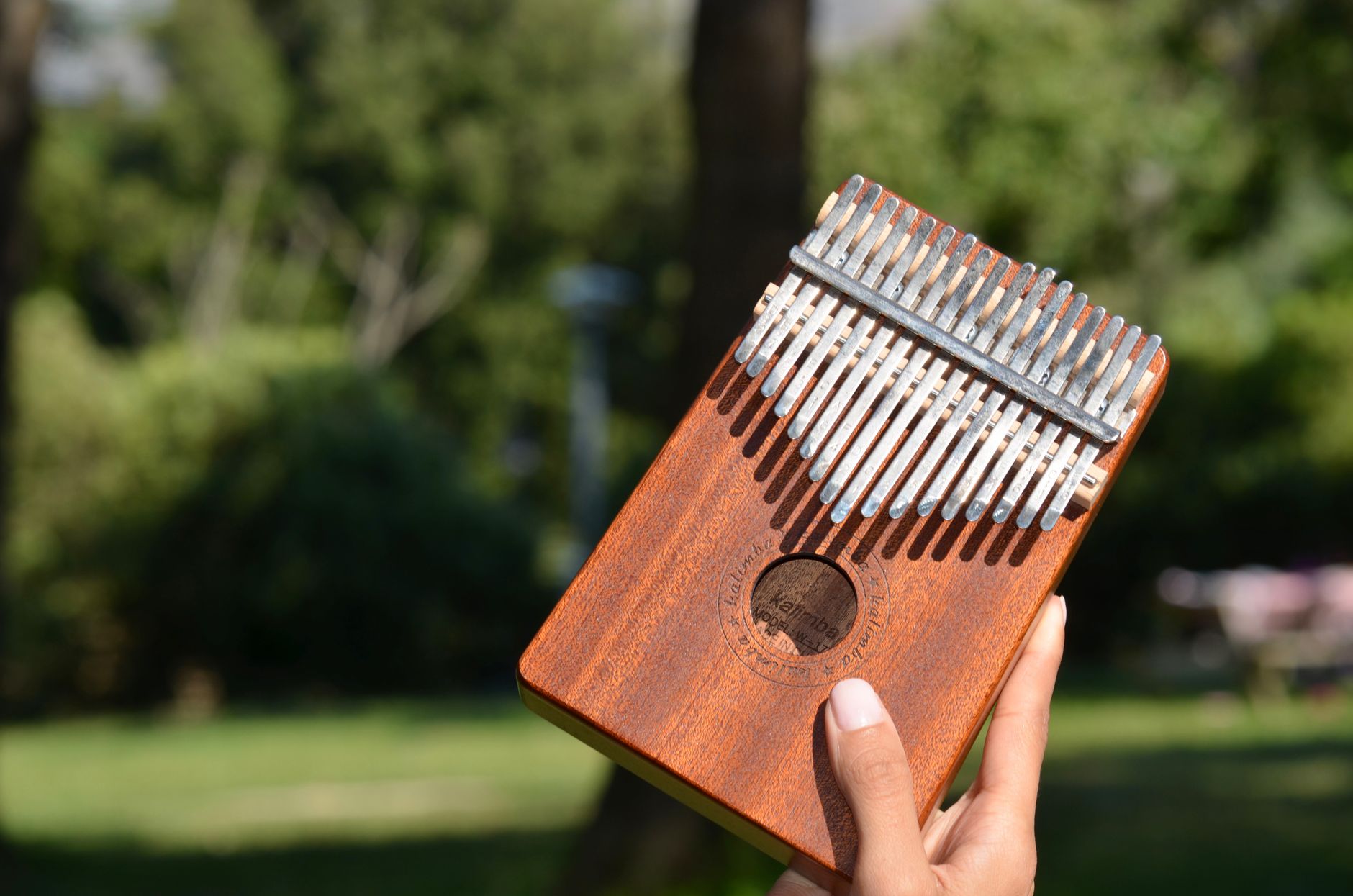
An African thumb piano: metal tines over a wooden resonance box, plucked with the thumbs. Sweet sound, very easy to learn with numbered tabs.
Handpan
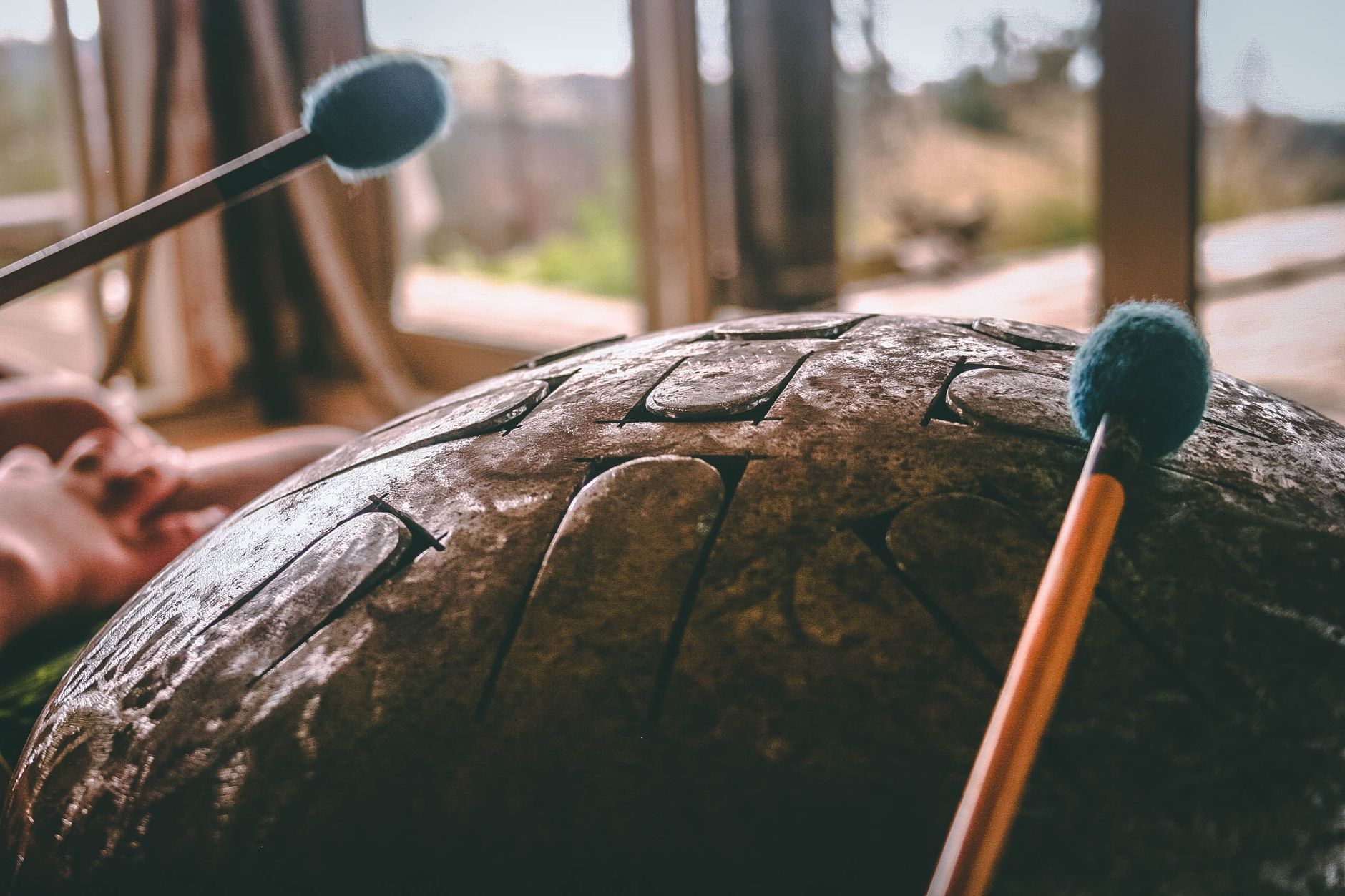
Steel melodic percussion shaped like a concave disc, with tonal "tongues" around it. Each model comes tuned to a specific scale, so any combination of hits sounds musical.
Theremin
An electronic instrument invented in 1920: two antennas detect the position of your hands in the air to control pitch and volume with zero physical contact. The hardest, but also the most fascinating.
FAQ
What is the easiest rare instrument to start with?
The otamatone and kalimba are by far the easiest: you can play a recognisable melody in under 30 minutes with no musical background. The handpan needs more practice, and the theremin is by far the hardest.
Which rare instrument is the cheapest?
The kalimba, from $15-20. A classic otamatone costs $20-45. An entry-level theremin starts around $60-80. The handpan is the priciest: $300-1,500 depending on the maker.
Which is the most portable for travel?
Kalimba and otamatone fit in a backpack and weigh under a pound. The theremin is medium-sized. The handpan weighs 7-11 lb and needs a rigid case, making it the least travel-friendly.
Which sounds best for relaxing or meditating?
Handpan and kalimba are the favourites for sound-therapy and meditation thanks to their soft, resonant tone. The otamatone is more playful than relaxing, and the theremin tends toward eerie rather than calm.
Which is the best gift for a child or total beginner?
Otamatone and kalimba: cheap, sturdy and fun from minute one, with no risk of early frustration. Handpan and theremin fit teens or adults with more patience and budget.
Which has more depth for playing seriously long-term?
Handpan and theremin offer more musical depth: the handpan allows advanced improvisation in professional performances, and the theremin has its own classical repertoire. Kalimba and otamatone have a lower ceiling, though they stay fun indefinitely.