

Quick answer
The musical saw (also called singing saw) is a flexible steel blade that, bent into an S-shape and bowed with a violin or cello bow, produces an ethereal, vibrant tone similar to a human voice or a theremin. It's popular in folk music, film soundtracks and experimental music. Beginner saws cost 15-30 € and professionally tuned ones 60-150 €.
What is a musical saw?
The musical saw — also known as the singing saw or bendable saw — is an idiophone made of a flexible steel blade that is played by bowing it with a bow from a string instrument, usually a violin or cello. The resulting sound is a continuous, warm, slightly wavering tone, with a timbre many describe as "ghostly" or "otherworldly" — remarkably similar to the sound of a theremin.
Unlike an ordinary carpenter's saw, professional musical saws are made from specially tempered steel, thinner and more flexible, and typically have no cutting teeth (or purely decorative ones along the spine). Many beginners, however, learn on an ordinary hardware-store saw, since the underlying physics is identical.
The sound is generated by the vibration of the blade at the point where the curvature changes direction — the so-called "sweet spot" or node. Bending the blade into an S-curve creates a flat zone in the middle of the curve: that's exactly where the bow must be drawn to excite a clean vibration.
Because of its ethereal timbre, the musical saw shares the spotlight with other curious instruments like the theremin (also known for "sci-fi" sounds) and the waterphone (a horror-soundtrack staple), even though their technique and construction have nothing in common.
History: from the hardware store to the concert stage
The exact origin of the musical saw as an instrument is hard to pin down, but most historians place its rise in popularity in the late 19th and early 20th century, in rural areas of the US and central Europe, where lumberjacks and carpenters discovered that their work tools, when bent and bowed, produced interesting musical sounds.
The musical saw reached peak popularity in the United States between the 1920s and 1940s, becoming a fixture of vaudeville acts and Appalachian folk music. Traveling performers carried it from town to town as a musical curiosity, and several American hardware stores began selling "singing saws" specifically designed for playing, with a long handle and especially flexible steel.
In the following decades, the musical saw found a new home in film and television: its evocative sound was used to convey nostalgia, mystery or a dreamlike atmosphere. It has also been used in contemporary and experimental composition, and it remains alive today in American folk festivals, street busking, and international communities of enthusiasts who organize gatherings and "saw festivals" — the best known being New York's Musical Saw Festival, held annually since 1998.
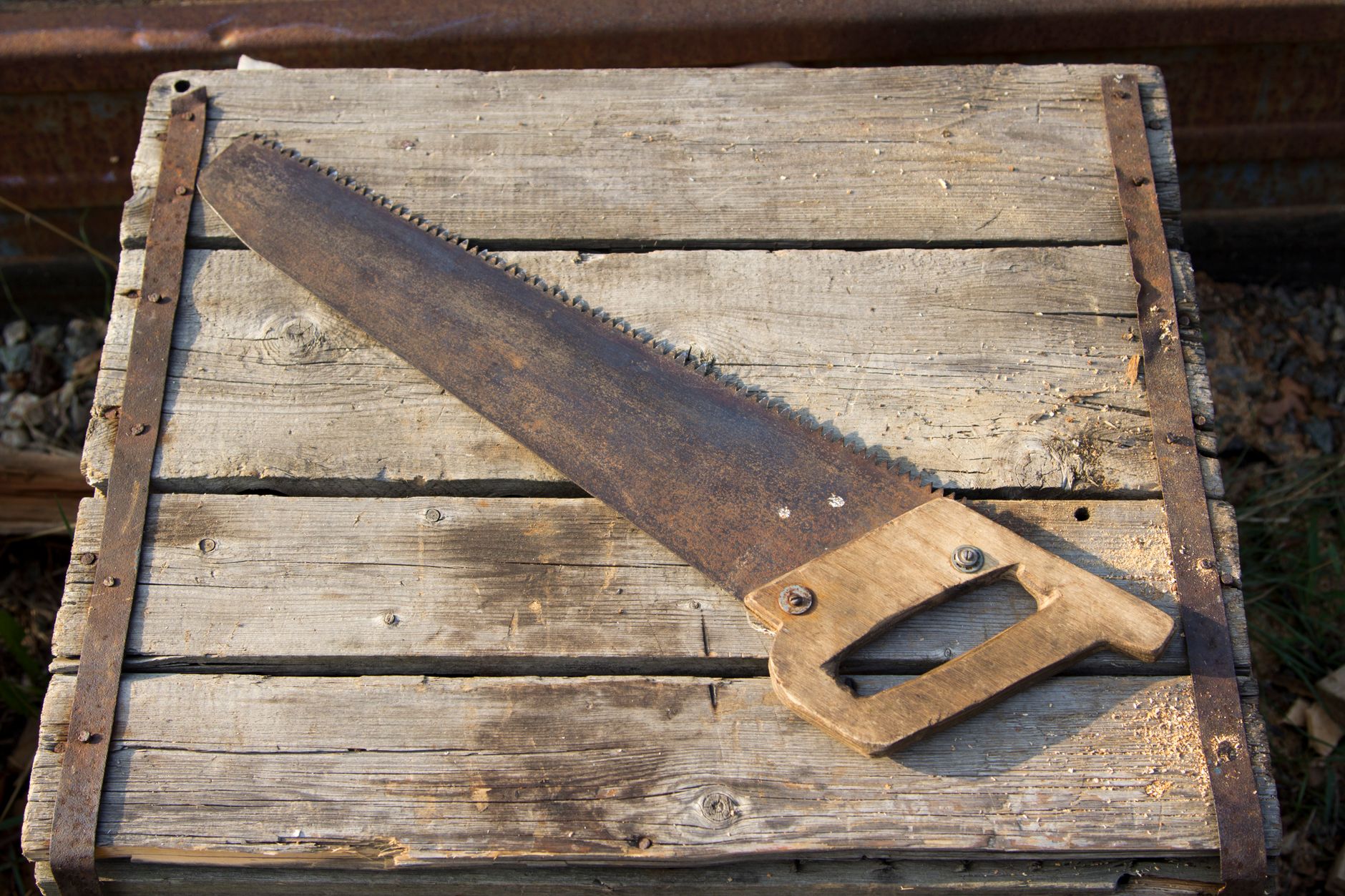
How it works: the S-curve and the sweet spot
The musical saw's mechanism relies on three elements that must be coordinated at once:
The S-shaped curve
Bending the blade by hand forms an S-curve: one section curves one way, the adjoining section curves the opposite way. Between the two curves sits a flat zone — the sweet spot — the only part of the blade that can vibrate cleanly when bowed.
The bow
The smooth (toothless) edge of the blade is bowed with a rosined violin or cello bow, exactly as you would bow the strings of those instruments. The bow must always pass over the sweet spot, never over rigid sections of the blade.
Pitch control
The pitch of the note is controlled by varying how pronounced the S-curve is: a sharper curve lowers the note, while straightening the blade slightly raises it. Experienced players can produce expressive glissandos (continuous pitch slides), similar to a theremin, simply by varying the bend with their hand.
Vibrato
Vibrato is achieved by lightly shaking the knee or thigh that holds the handle, transmitting a fine oscillation through the whole blade without losing the base pitch.
How to play the musical saw: first steps
- Posture: sit down and hold the saw's handle firmly between your thighs, with the blade pointing upward.
- Curve the blade: with your free hand, grip the top tip of the blade and gently bend it toward you, forming the S-curve. You don't need a sharp bend at first.
- Find the sweet spot: it's the flat area between the two curves, usually toward the upper third of the blade.
- Bow it: draw the bow perpendicular to the smooth edge, right over the sweet spot, with a long, steady stroke, just as you would on a violin.
- Adjust the curve: if the sound is a dry scrape instead of a clean tone, try curving the blade a bit more or less until you find the exact angle where it "sings."
- Practice glissando: once you get a stable tone, try slowly varying the curve while bowing to slide between notes.
Tip: the most common beginner mistake is bowing too close to the handle (a rigid zone) instead of the sweet spot. If the sound is just a scrape with no tone, move the bow a few centimeters up or down until you find the vibrating zone.
Musical saw comparison: what to buy in 2026
A selection of options available on Amazon by level and use:
| Model / Type | Approx. price | Length | Range | Level |
|---|---|---|---|---|
| Hardware saw (practice) | 10-20 € | 50-60 cm | ~1 octave | Starter |
| Basic untuned musical saw | 20-40 € | 60-70 cm | 1.5 octaves | Beginner |
| Professionally tuned saw | 60-100 € | 76 cm | 2 octaves | Intermediate |
| Handmade concert saw | 100-150 € | 90 cm | 2+ octaves | Professional |
| Violin/cello bow (accessory) | 20-80 € | — | — | Essential |
Shop musical saws → Violin bow →
As Amazon Associates, we earn from qualifying purchases. This comes at no extra cost to you.
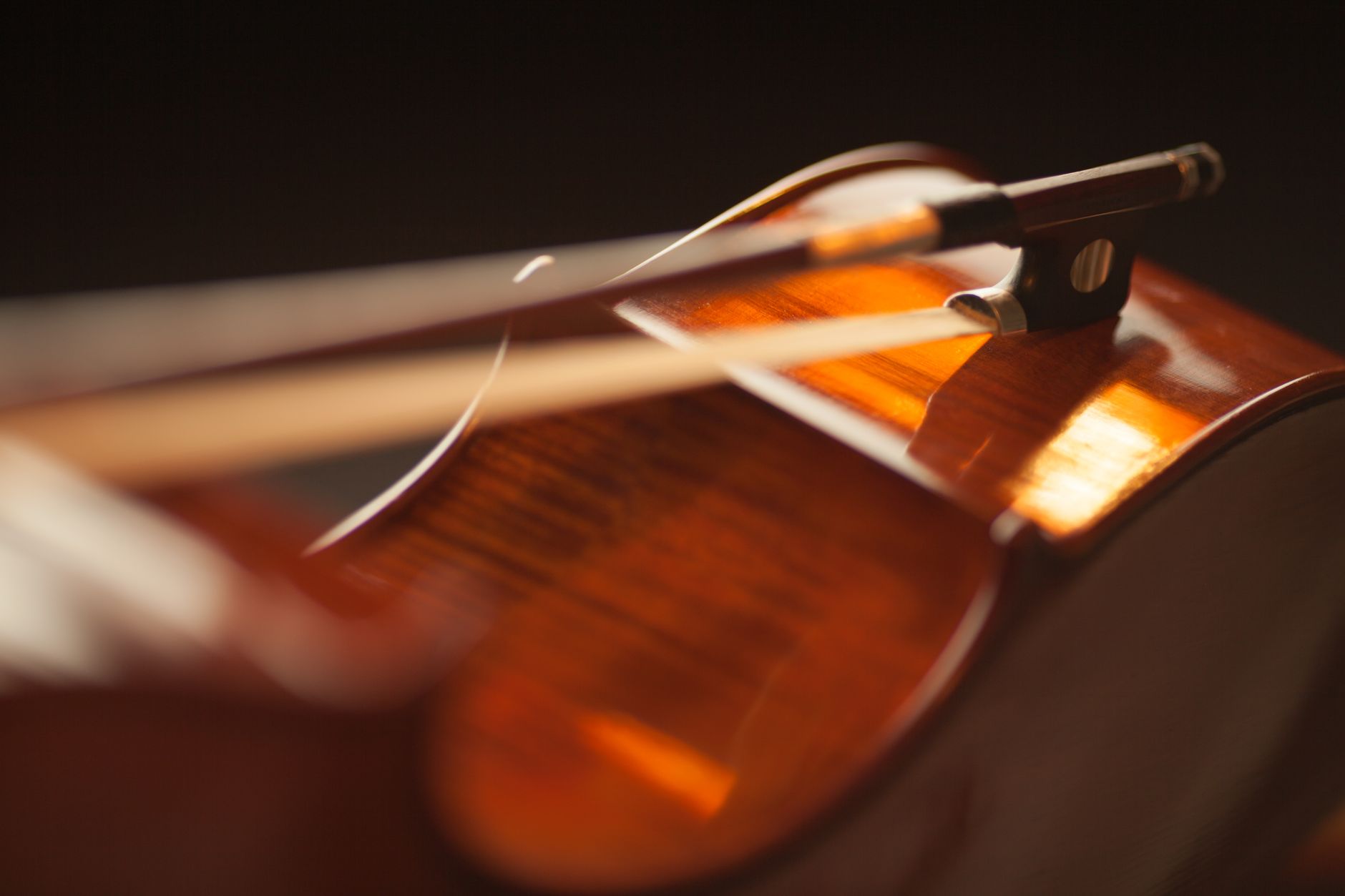
Musical saw vs theremin vs waterphone: "otherworldly" sounds
These three instruments all have a reputation for eerie or ethereal sounds, but they work in completely different ways:
Musical saw
- Mechanism: steel blade bowed with a bow
- Sound: warm, voice-like, with natural vibrato
- Typical use: American folk, nostalgic film scores
- Price: 15-150 €
Theremin
- Mechanism: electromagnetic fields controlled without touch
- Sound: electronic, high-pitched, "sci-fi"
- Typical use: science fiction, electronic music
- Price: 60-800 €
Waterphone
- Mechanism: percussion + bowed metal rods with water inside
- Sound: metallic, resonant, sinister
- Typical use: horror and suspense film scores
- Price: 200-600 €
Bottom line: if you want the most affordable and accessible of the three, the musical saw wins by a clear margin. If you'd rather have a purely electronic, futuristic sound, the theremin is the way to go. And if you need to score a horror scene, nothing beats the waterphone.
Musical saw in action: video tutorial
This tutorial shows the basic musical saw technique: how to curve it into an S-shape, where to bow, and how to get your first clean tone.
Musical saw FAQ
What is a musical saw?
An idiophone made from a flexible steel blade that, bent into an S-shape and bowed with a violin or cello bow, produces an ethereal, vibrant tone similar to a voice or a theremin.
How do you play the musical saw?
Hold the handle between your legs, curve the blade into an S-shape with your free hand, and bow the smooth edge with a rosined bow right at the sweet spot (the flat zone between the two curves). The pitch changes as you bend the blade more or less.
What's the difference between a musical saw and a regular saw?
A professional one is thinner, more flexible and toothless, with an ergonomic handle. Still, many beginners practice on an ordinary hardware saw because the underlying physics is the same.
Is the musical saw hard to learn?
Getting a clean tone takes weeks of practice because you must coordinate curvature, bowing spot and pressure at once. Producing a first basic sound, though, is possible from your very first session.
How much does a musical saw cost?
Starter (hardware saw): 15-30 €. Professionally tuned: 60-150 €. A violin or cello bow adds 20-80 € if you don't already own one.
What note range does the musical saw cover?
Roughly two octaves on standard 76 cm models, between G2 and G4. Longer saws offer a wider range than shorter ones.
What musical styles use it?
American folk (Appalachian), film soundtracks, vaudeville and circus acts, experimental and ambient music, and street busking. It's also featured in New York's music scene since the early 20th century.
Can you play it without a bow, by hand?
You can strike it with a felt mallet for a short percussive sound, but the sustained, ghostly sound it's known for only comes from bowing.
Where to buy a musical saw
Amazon has the best selection of musical saws and compatible violin bows, from beginner models to handmade, professionally tuned concert saws.
All musical saws → Violin bows → Rosin →
As Amazon Associates, we earn from qualifying purchases. This comes at no extra cost to you.