
What Kind of Instrument is the Otamatone?
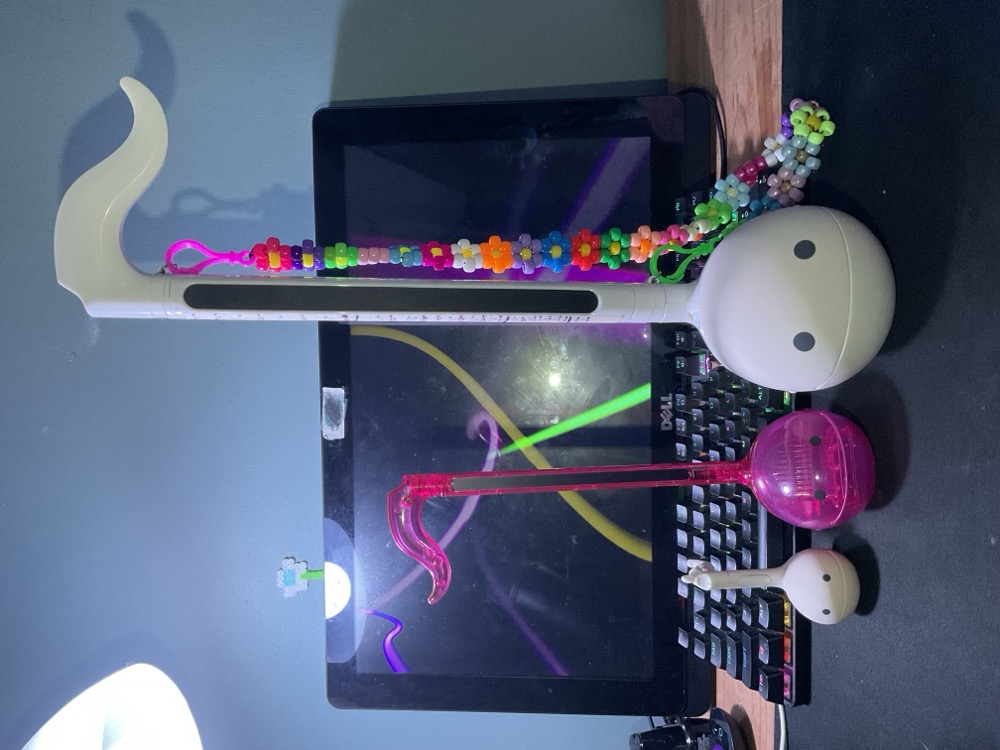
The Otamatone is a Japanese electronic synthesiser created by Maywa Denki in 2009. It is shaped like a musical note and has a face with a mouth that opens and closes as you play. Its sound — somewhere between a theremin and a person humming — comes from two controls: a touch-sensitive neck (for pitch) and a squishable face (for vibrato and expression). There are no buttons, no keys, no frets. Just those two controls — which is both what makes it simple to start and interesting to master.

Does the Model Affect How You Play?
The technique is the same for all otamatone models, but size matters for ease of playing:
| Model | Neck length | Ease of tuning |
|---|---|---|
| Melody (compact) | Very short | Hardest — notes very close together |
| Classic | Short | Medium |
| Deluxe | Long | Easiest — more space between notes |
For learning, the Otamatone Deluxe is recommended: the longer neck gives you more room to find each note.
Step 1: Volume and Power
Insert three AAA batteries into the compartment on the back. Then slide the power/volume switch on the side to your desired level. The switch typically has three positions: off, low and high volume. Start at medium volume to hear yourself clearly without it being too loud.
Step 2: Hand Position
Hold the Otamatone vertically with your non-dominant hand loosely around the body (below the neck), keeping it stable. Your dominant hand is free to press the neck from the front. Some players rest the base of the instrument against their forearm or body for stability.
Step 3: Pressing the Neck for Pitch
Use one finger of your dominant hand to press gently against the black touch-sensitive strip on the front of the neck:
- Press near the bottom (closer to the body) → lower pitch
- Press near the top (closer to the face) → higher pitch
The Otamatone covers roughly two octaves from bottom to top of the neck. Experiment with different positions to hear how the pitch changes.
Step 4: The Sliding Technique
Instead of pressing and lifting between notes, try sliding your finger smoothly up and down the neck. This creates the characteristic gliding, expressive sound of the Otamatone — the sound that makes it immediately recognisable. A smooth slide between notes sounds far more musical than abrupt jumps.
Step 5: The Mouth for Expression
While pressing the neck with your dominant hand, use your non-dominant hand (or your dominant hand's palm/thumb) to gently squeeze the soft cheeks of the Otamatone's face. This opens and closes the mouth, which changes the resonance of the sound:
- Mouth open: brighter, louder, more resonant tone
- Mouth closed: more muffled, quieter tone
Rhythmically opening and closing the mouth while sliding the neck is what gives the Otamatone its distinctive vibrato and expressive quality. It is similar in concept to how a wah-wah pedal works for guitar.
Step 6: Your First Melody
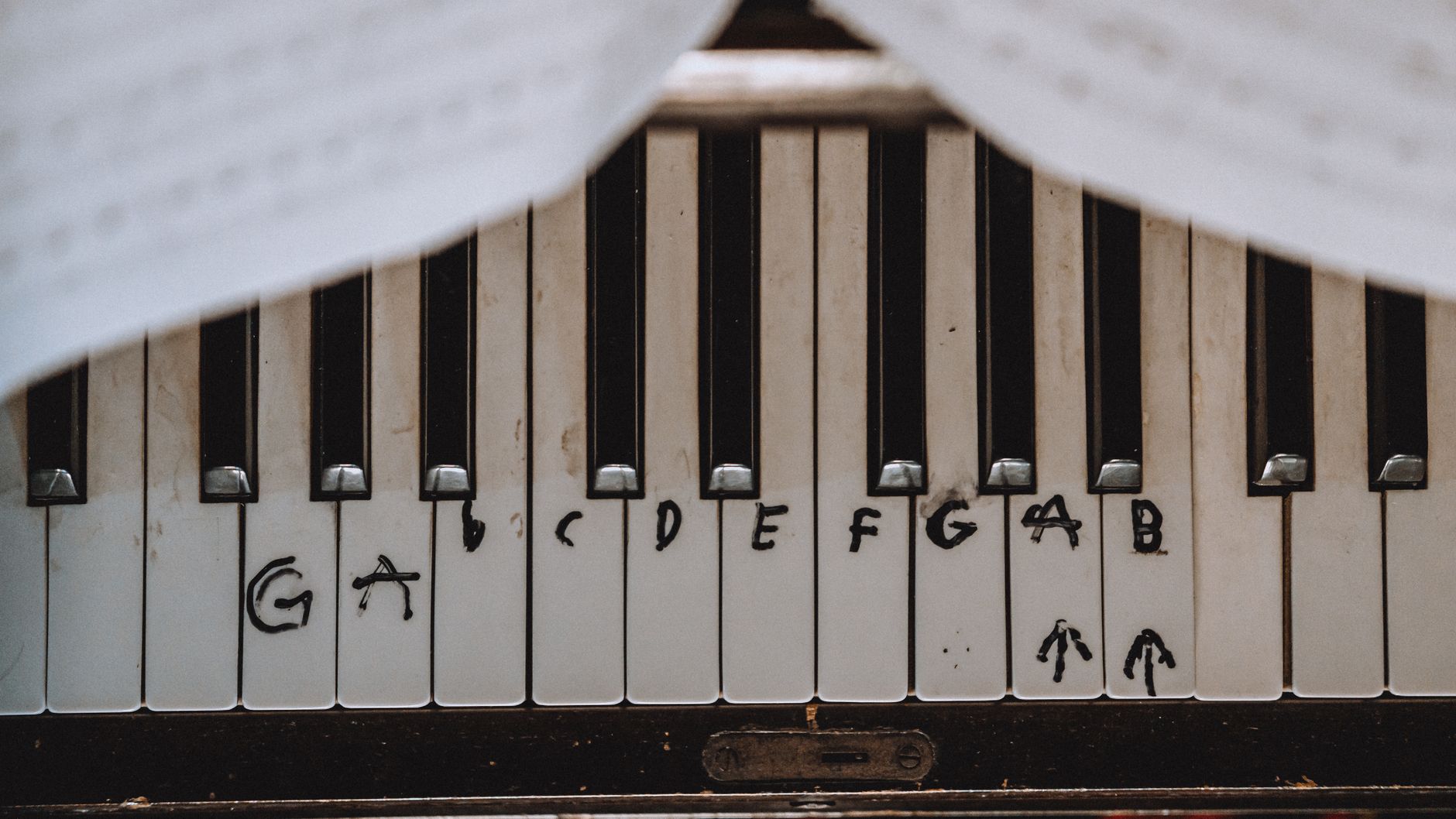
Try something simple with just a few notes. Mary Had a Little Lamb or Hot Cross Buns work well because they use only three different pitches. Use a piano app or tuning app on your phone to find where those pitches live on your Otamatone's neck, mark them lightly with a sticky note if needed, and practise moving between them smoothly.
Video Tutorial
Watching and listening is often the fastest way to understand how the neck and mouth work together.
Tips to Improve Faster
- Use a tuning reference. A piano app or chromatic tuner lets you match your finger position to specific notes and build muscle memory.
- Practise the mouth separately. Try just opening and closing the mouth in rhythm without changing pitch — it trains the coordination you need for expressive playing.
- Slow is smooth, smooth is fast. Practise every melody slowly enough that each note is in tune before speeding up.
- Watch YouTube covers. Seeing experienced players handle the neck reveals technique details that are hard to describe in words.
- The Deluxe is easier to tune. If you keep struggling with precision on a classic-sized Otamatone, the longer neck of the Deluxe genuinely makes a difference.
FAQ
Is the Otamatone hard to play?
The basics take minutes to pick up. Playing melodies precisely in tune takes more practice because there are no frets — you find each note by ear and muscle memory.
How do you change pitch?
By pressing different points on the touch-sensitive neck. Lower position = lower pitch; higher position = higher pitch. Sliding smoothly between points creates pitch glides.
What does squeezing the mouth do?
Opening and closing the mouth changes the resonance of the sound, adding vibrato and expression — similar to a wah-wah effect.
Which model is easiest to learn on?
The Otamatone Deluxe: its longer neck means more space between notes, requiring less precision from your finger.