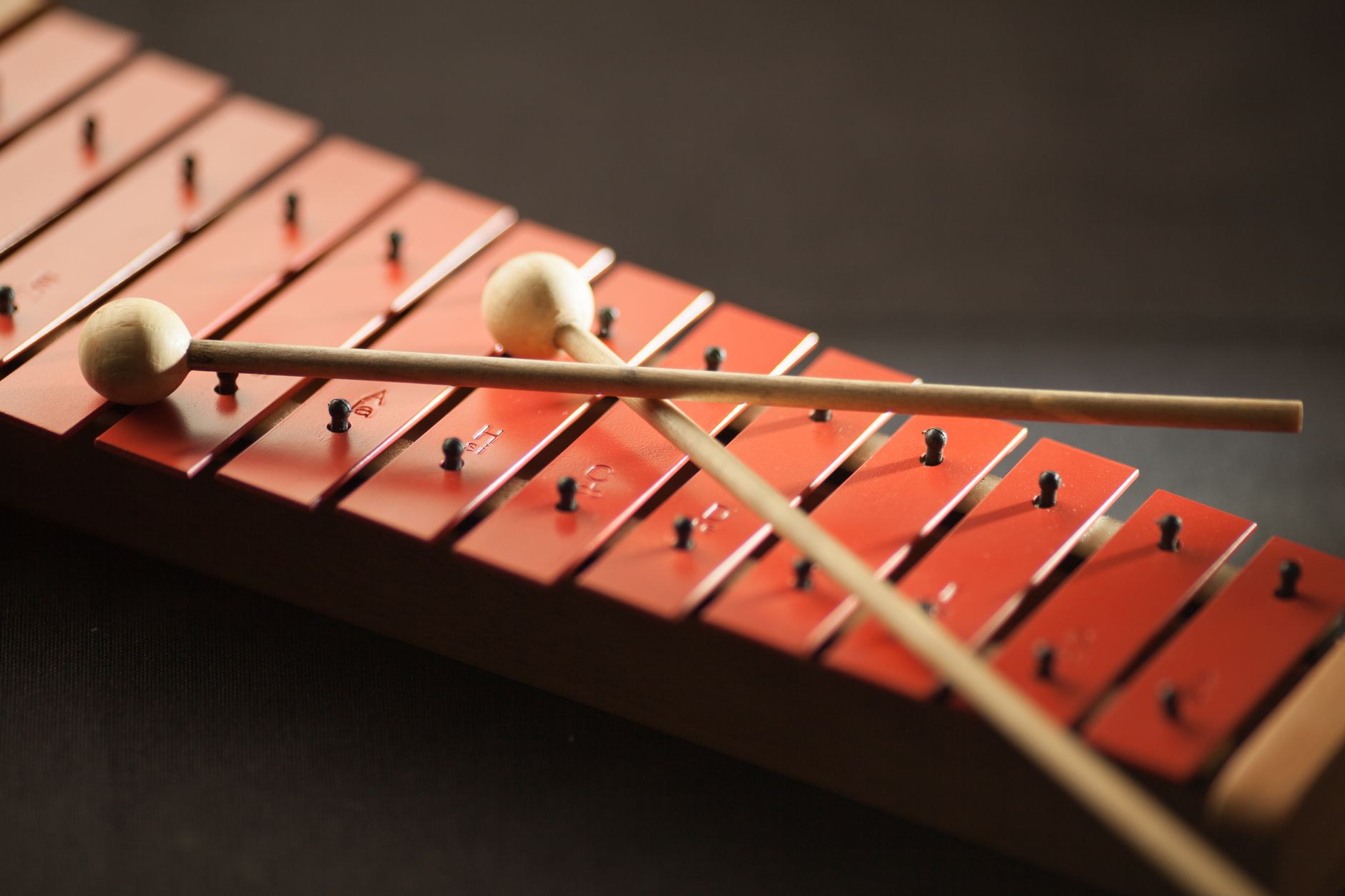
The xylophone is a percussion instrument belonging to the idiophone family: instruments whose own body vibrates to produce sound. It is made up of a series of wooden bars of different sizes, arranged from largest to smallest and tuned to a musical scale, which are struck with small mallets.
The name comes from Greek: xylo (wood) and phone (sound) — literally "sound of wood". That etymology already captures its essence: a bright, crisp, percussive timbre that is instantly recognisable, present in everything from symphonic works to children's songs, jazz and traditional African music.
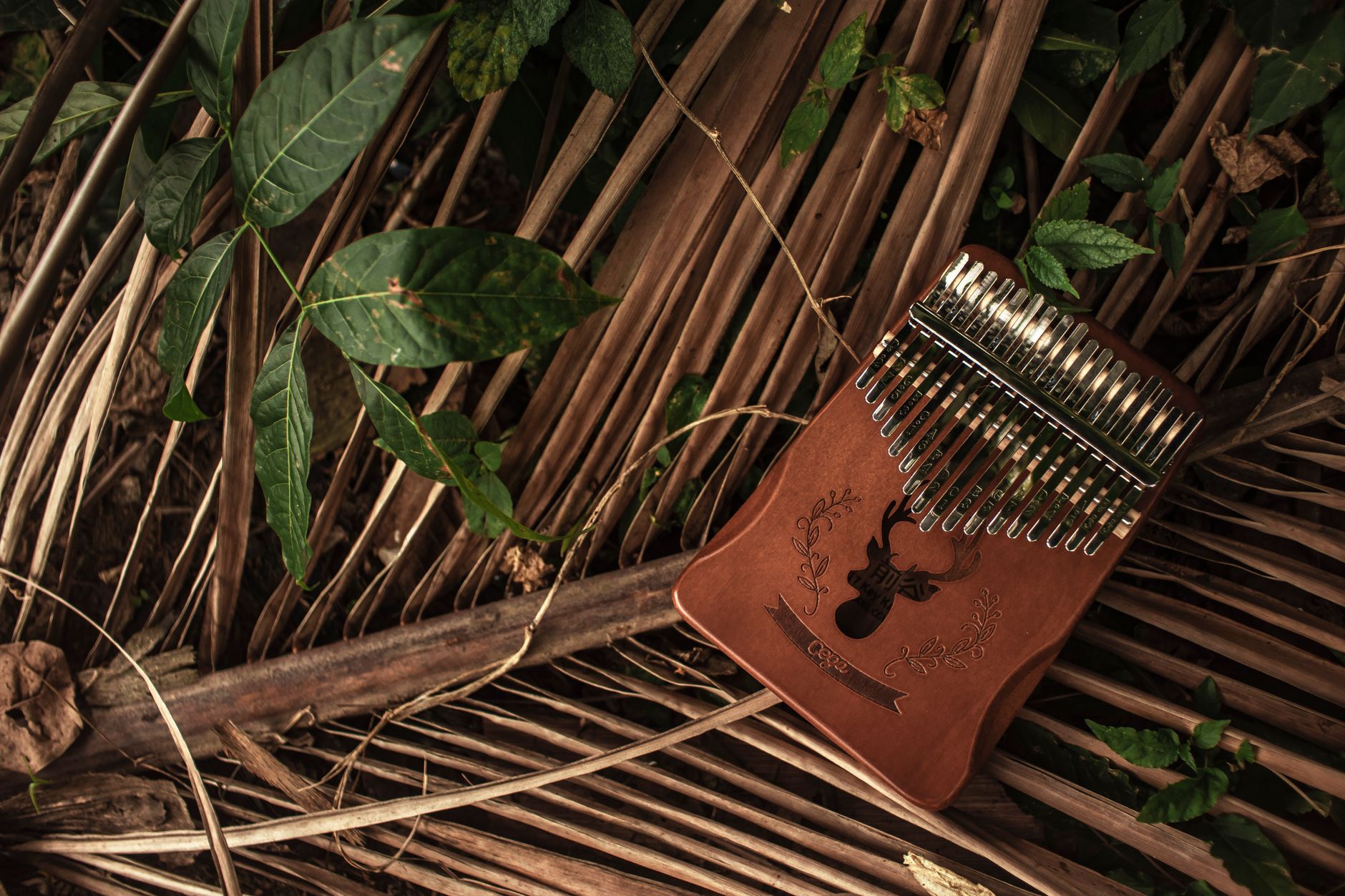
The xylophone is also one of the instruments with the biggest presence in music education: its visual accessibility (the notes are physically laid out in front of you) and the immediacy of its sound make it ideal for children and beginners. In that sense it resembles the kazoo and the melodica — instruments that invite anyone to play without barriers.
Struck-wood instruments related to the xylophone have a history spanning over a thousand years. The earliest documented references come from sub-Saharan Africa (balafon-type instruments) and Southeast Asia (the Thai ranat ek and the Javanese gambang, both from the 10th century), though similar versions appear in nearly every culture on earth.
In Europe, the earliest written mentions date to the 16th century. German music theorist Martin Agricola described it in 1528 as hölzernes Gelächter ("wooden laughter"), a nickname that reflects its playful timbre. Through the 17th and 18th centuries the instrument belonged mainly to travelling musicians and street performers.
The modernisation of the xylophone as an orchestral instrument owes much to the Polish virtuoso Michael Josef Gusikov (1806–1837), who dazzled Chopin and Mendelssohn on concert tours across Europe. His popularity led European instrument makers to develop more refined versions with resonators and a wider range.
The defining moment in classical music arrived in 1874, when Camille Saint-Saëns used the xylophone in his symphonic poem Danse Macabre to depict skeletons dancing. That vivid, iconic use catapulted the instrument onto the great orchestral stages. The 20th century added jazz, ragtime and film music as new territory for the xylophone.
The acoustic principle of the xylophone is fascinating in its simplicity. Each wooden bar is carved with a precise curve on its underside that determines its vibration frequency and, therefore, its musical pitch.
When the mallet strikes the bar, a bending wave travels from one end of the wood to the other. The support points (the felt or cord rests where the bar sits) are located at the nodes of vibration, the points of least amplitude, so the sound is not dampened.
Longer, wider bars produce lower tones; shorter, narrower ones produce higher notes. The most common wood in professional xylophones is rosewood (or padauk), valued for its density, hardness and durability. School models usually use lime wood or synthetic materials.
The Western orchestral xylophone incorporates cylindrical metal resonators under each bar. These tubes have a length calculated so that the column of air inside vibrates in sync with the bar's frequency, amplifying volume and enriching the timbre. In the marimba these resonators are notably longer and give a much rounder, more sustained sound.
Learning the basics of the xylophone is relatively quick, although reaching a professional level takes years of practice. Here is the foundation to get started.
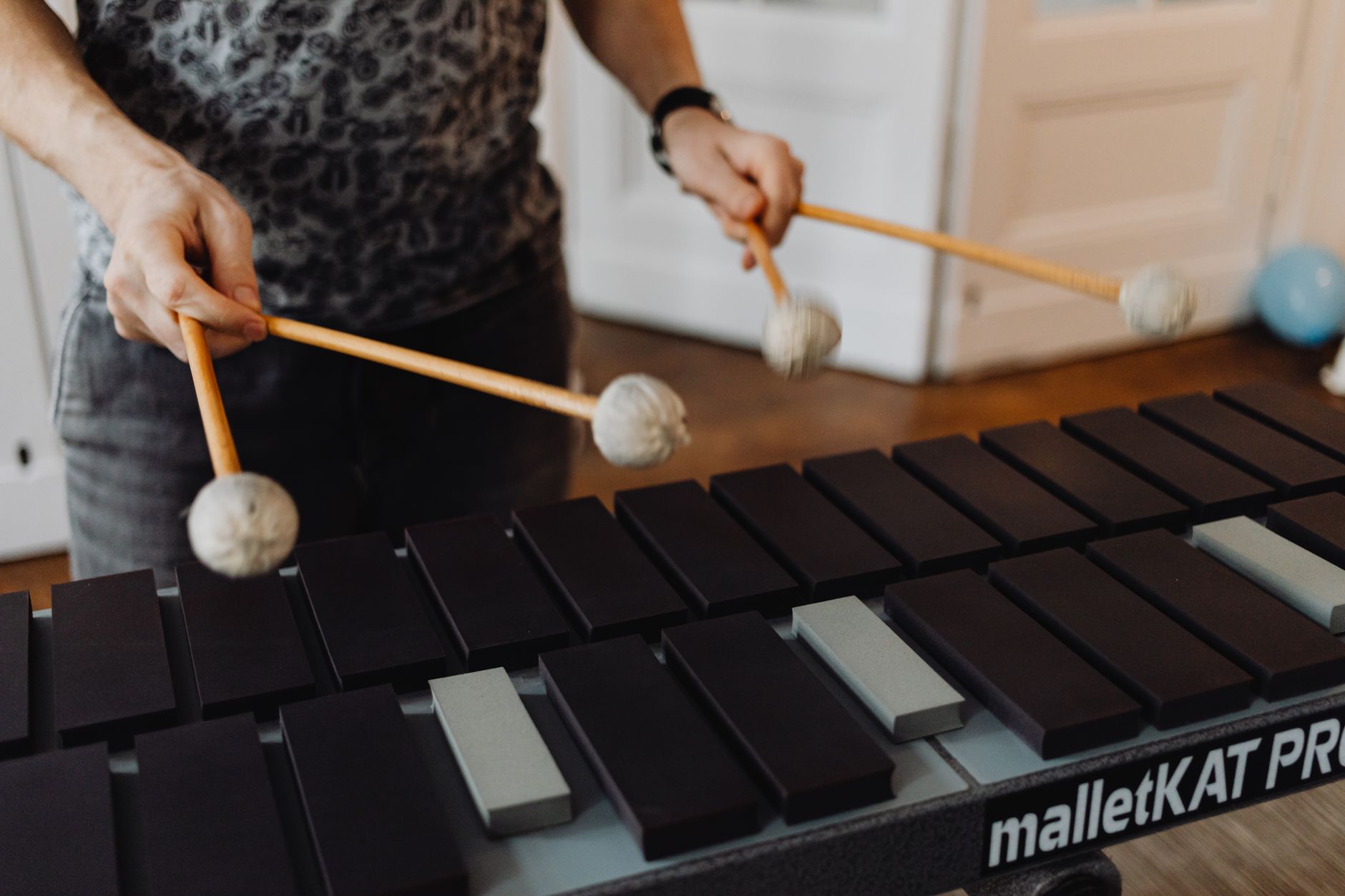
The longer bars (on your left) produce the lowest notes; the shorter ones (on your right) produce the highest. The bars in the front row (lower) are the natural notes (C, D, E, F, G, A, B); the bars in the back row (raised) correspond to the altered notes (sharps and flats), just like the black keys on a piano.
The most common grip for the xylophone is the matched grip. Hold the mallet between your thumb and index finger, with the other fingers relaxed around the shaft. The wrist should stay loose and flexible — it is what generates the rebound.
The most common beginner mistake is leaving the mallet resting on the bar after striking. This mutes the sound instantly. The mallet should bounce naturally after impact, as if the bar were hot. Practise striking a single bar with a rhythmic rebound before attempting melodies.
Start with the C major scale using only the front bars: C – D – E – F – G – A – B – C. Alternate right and left mallets (or right hand alone on a simple toy model). Once you master the ascending and descending scale, try simple tunes like Twinkle, Twinkle, Little Star or Happy Birthday.
The tremolo (a very fast alternation between two mallets on the same bar) is the most characteristic technique of the orchestral xylophone. It creates the illusion of a sustained note that the wood alone cannot hold. Practise it slowly at first, gradually increasing speed.
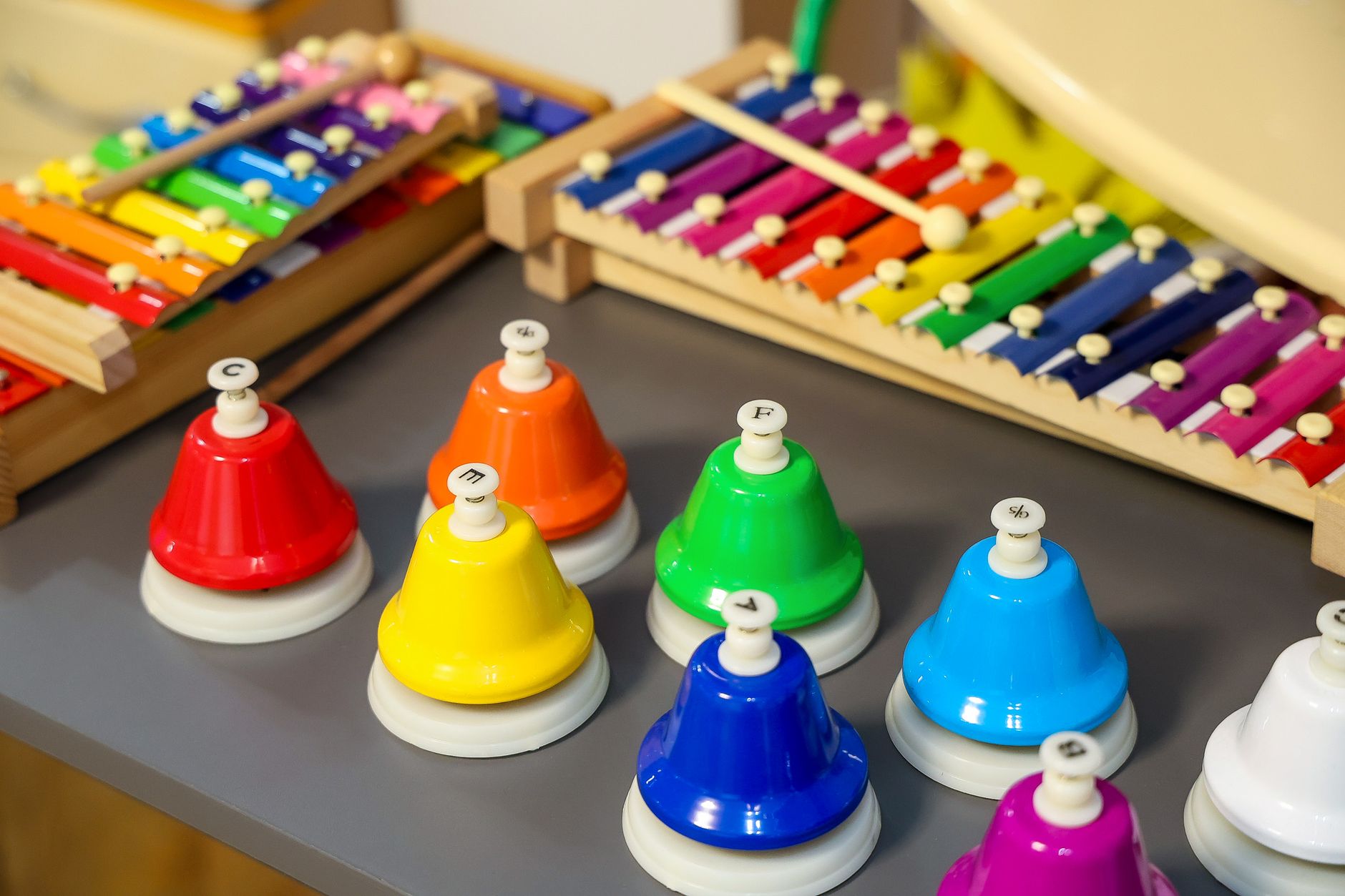
These are the colourful xylophones almost everyone had as a child. They usually have between 8 and 13 metal or soft-wood bars painted in different colours (one per note). Their tuning is approximate and sound quality is basic, but they serve their purpose perfectly: introducing children to the concept of a musical scale and the pleasure of making melodic sounds. They cost between $12 and $35.
The Orff xylophone (named after music educator Carl Orff) is the standard in primary and secondary music education worldwide. It has removable wooden bars (to make it easy to teach pentatonic scales), reliable tuning and metal resonators under each bar. Diatonic models (no altered notes) let students improvise without fear of dissonance. Price: $90–$330.
The orchestral xylophone spans 3.5 to 4 octaves, with high-density rosewood or padauk bars, aluminium resonators and hard rubber mallets. It is a high-precision concert instrument with a bright, penetrating timbre. Price: $1,100–$5,500. Adams, Musser and Yamaha are the reference brands.
A metallophone is a xylophone with aluminium or steel bars instead of wood. The glockenspiel (also called a bell lyre) is the best-known version: metal bars on a flat frame, without resonators, that produce a crystalline, very high-pitched sound. It is the "fairy tale" sound heard in Christmas music and music boxes.
The most common question about the xylophone is its relationship to the marimba. They are related instruments but with distinct sound and playing characteristics:
| Feature | Xylophone | Marimba |
|---|---|---|
| Bars | Rosewood, narrower and flatter | Padauk or rosewood, wider and arched |
| Resonators | Short, bright and dry timbre | Long, warm and sustained sound |
| Range | 3.5 octaves (G3–C7) | 4–5 octaves (C2–C7) |
| Mallets | Hard rubber or plastic | Yarn-wound (soft) |
| Timbre | Bright, percussive, dry | Warm, round, sustained |
| Origin | Africa/Asia → Europe | Mesoamerica (Guatemala, Mexico) |
| Base price | ~$1,100 | ~$2,200 |
In practice, the easiest way to tell them apart by ear: the xylophone sounds "tock tock" (dry and bright), the marimba sounds "boooom" (warm and resonant). If you've heard Ennio Morricone or the theme from The Simpsons, you've heard a xylophone. If you've heard music from Guatemala or composer Keiko Abe, you've heard a marimba.
The xylophone has played a broader role in music history than many people realise:
The defining role of the orchestral xylophone was written by Saint-Saëns in Danse Macabre (1874) and The Carnival of the Animals (1886). Bartók, Shostakovich and Stravinsky also gave it prominent parts in their 20th-century works.
In the 1920s, the xylophone was a star instrument of jazz and ragtime, especially in the US. Red Norvo was the virtuoso who did the most for the xylophone's reputation in jazz, with his recordings from the 1930s. The instrument became so popular it regularly appeared on the radio and in American popular music.
The xylophone has an iconic presence in cartoon music: its percussive, "bouncy" timbre is perfect for underscoring funny or comic action. Sound effects of characters running, falling or climbing stairs in classic 1930s–50s cartoons often featured xylophones. Likewise, the sonic iconography of Christmas carols includes the glockenspiel.
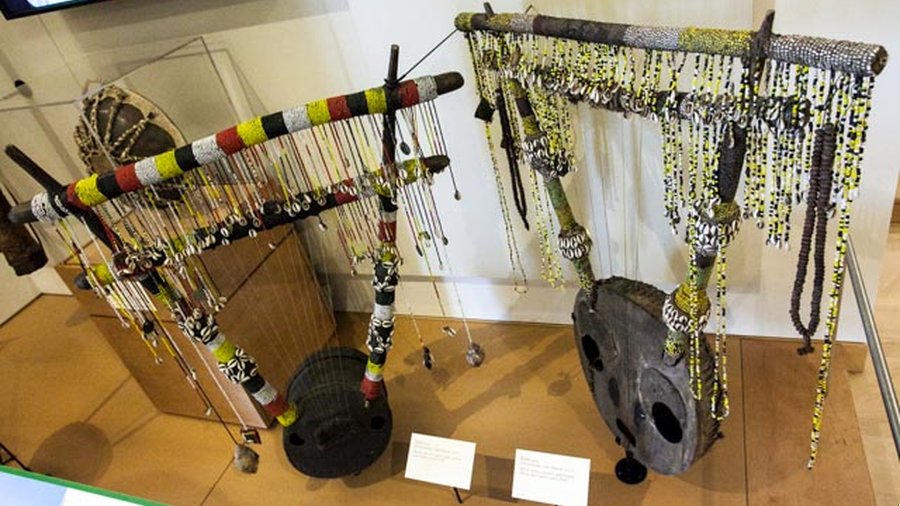
It should not be forgotten that the xylophone was born in Africa. The West African balafon (with gourd resonators) is a first-order ceremonial instrument, especially among the Mandé, Baoulé and Yoruba peoples. In Southeast Asia, the Indonesian gambang and the Thai ranat ek have centuries of tradition. Both branches — African and Asian — influenced the Western development of the instrument. You could also explore this connection with the mbira, an African instrument with metal tines also plucked with the thumbs.
The piece that put the xylophone on the orchestral map: Camille Saint-Saëns's Danse Macabre (1874). The xylophone imitates the bones of dancing skeletons.
Natural wood, 8 coloured bars, mallet included. Correct tuning for first musical experiences. Suitable from age 2.
See on Amazon →Removable wooden bars, aluminium resonators, adjustable stand. Ideal for music education from age 6. Tuned to A=440 Hz.
See on Amazon →Steel bars, 2 chromatic octaves, case included. Crystalline timbre perfect for folk, Celtic folk and composition. Compact and portable.
See on Amazon →Complete set with xylophone, soprano metallophone and glockenspiel. Designed for the Orff method in primary classrooms. Includes basic sheet music.
See on Amazon →If the xylophone has sparked your curiosity about unconventional instruments, you'll love these too:
The xylophone is a percussion instrument of the idiophone family made up of wooden bars tuned to a musical scale that are struck with mallets. Its name comes from Greek: xylo (wood) + phone (sound). It exists in toy, school and professional orchestral versions.
The marimba is basically a large xylophone with longer metal resonators under each bar that amplify and sustain the sound. The marimba has a lower register and a warmer, more sustained timbre. The xylophone has a brighter, drier, more percussive sound.
A xylophone is tuned by carving or sanding the underside of the wooden bar. Removing material from the centre of the bar raises the pitch; removing it from the ends lowers it. Quality xylophones come tuned from the factory to A=440 Hz and, unlike string instruments, don't need regular adjustment.
Wooden toy xylophones cost between $12 and $40. Quality Orff school xylophones run about $90–$330. Professional glockenspiels are between $160 and $550. Professional orchestral xylophones cost between $1,100 and $5,500.
The basics are very accessible: within a few hours you can play scales and simple melodies. The visual layout (the notes are physically laid out) helps beginners a lot. At professional level, the orchestral xylophone demands years of practice, mallet control, sight-reading and execution speed.
The glockenspiel is a type of metallophone — a xylophone with metal bars instead of wood — that produces a crystalline, very bright sound. It's the instrument of Christmas music boxes and Mozart's Magic Flute. In an orchestra it usually sits next to the xylophone percussionist.